
Crawl Space Waterproofing in Greensboro, NC
Waterproofing deals with liquid water. Encapsulation deals with vapor and humidity. They get used interchangeably in sales copy, and confusing them is how homeowners end up with a liner over a wet floor.
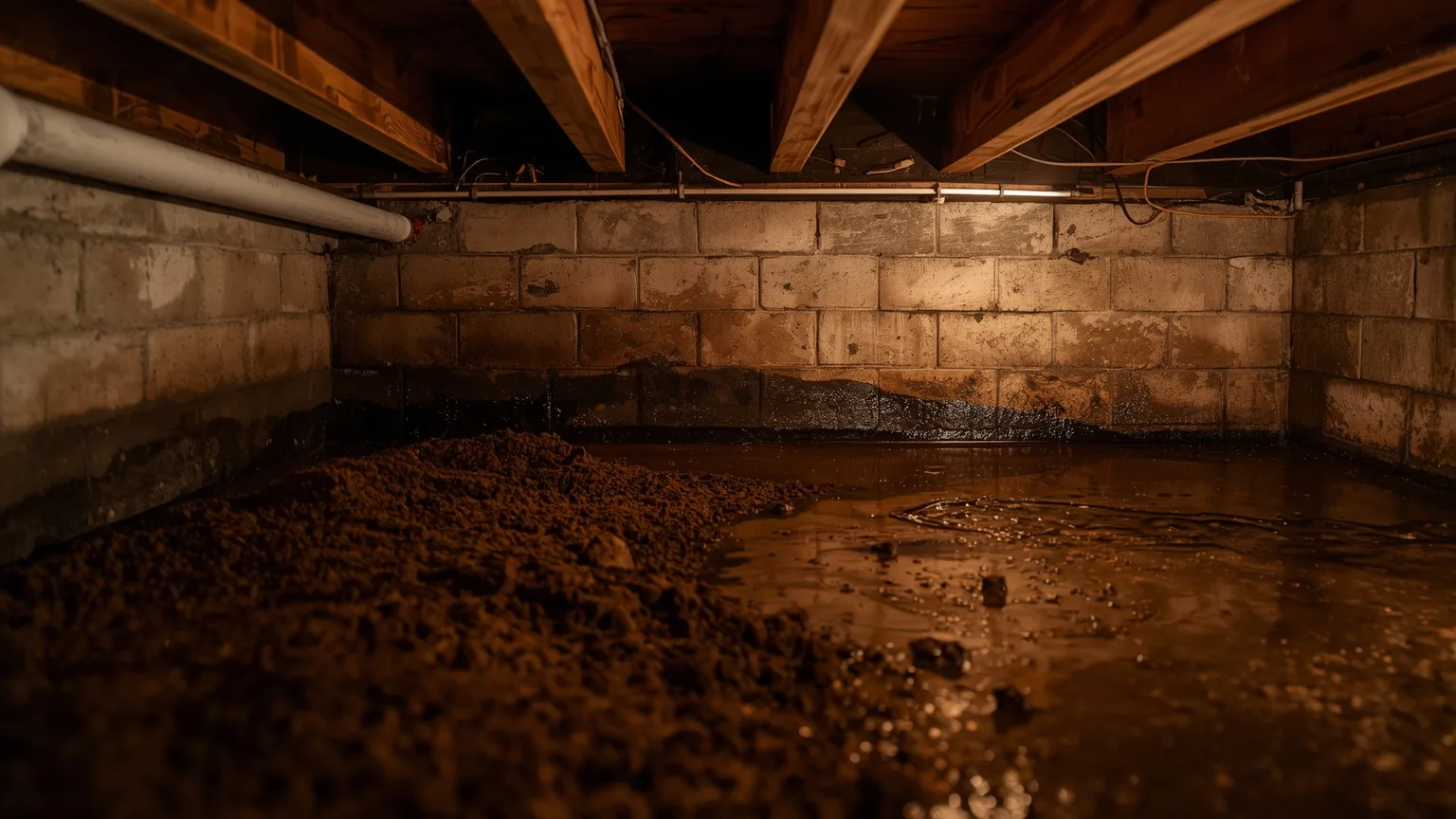
Who handles crawl space waterproofing in Greensboro, NC?
Greensboro Crawl Space Solutions arranges crawl space waterproofing across Greensboro and Guilford County — establishing where liquid water enters, stopping it at the perimeter where possible, and giving whatever still gets in a route out. It is a different job from encapsulation, and where water is present it comes first. Call (336) 827-3637 to arrange an evaluation.
Waterproofing and encapsulation are not the same job
This is the single most useful distinction on the site. Waterproofing is about liquid water — rain, runoff, groundwater. Encapsulation is about water vapor and humidity in the air.
A crawl space can be bone dry underfoot and still be a humidity disaster. A crawl space can also be sealed beautifully and still have water running under the liner. They are separate problems with separate fixes, and a proposal that treats them as one word is worth questioning.
Where the water is actually coming from
Three routes, and the timing usually tells you which one you have.
- Surface runoff. Rain off the roof and the lot that is not carried away. Shows up within an hour or two of a storm and recedes soon after. Usually the cheapest to fix and the most often skipped.
- Groundwater. Water moving laterally through the soil to the footing. Shows up a day or more after rain, or during a wet spell with no storm. This is what interior drainage exists for.
- Plumbing. A supply leak, a failed waste line, or an HVAC condensate line discharging under the house. Independent of weather, which is the tell — a crawl space wet in a dry August is not being wet by rain.
The cheap causes get ruled out first
A competent evaluation looks outside before proposing anything inside. Gutters discharging at the foundation, downspouts ending at the wall, and grading that has settled back toward the house account for a large share of wet crawl spaces in this area, and all three cost a fraction of interior work.
If a proposal jumps straight to an interior system without anyone having looked at where the downspouts end, a step has been skipped. Ask what was found outside.
What interior work involves when it is genuinely needed
Where water is arriving through the ground rather than off the roof, the work is a drainage channel at the perimeter, bedded in washed stone, carrying a perforated pipe to a collection point, with a sump pump lifting it out and away.
North Carolina code has something specific to say here. R409 requires the crawl space floor to be graded so it drains to one or more low spots, with a drain to daylight or a sump pump at each — and it requires those drains to be kept separate from roof gutter drains and foundation perimeter drains. That separation requirement is not a preference; a system that combines them is not built to the section.
Then, and only then, sealing
Once liquid water has a route out, encapsulation and humidity control make sense, because what is left to manage is vapor rather than water.
Doing it in the other order is the expensive mistake: the liner conceals the water, the damage continues underneath where nobody looks, and the encapsulation you paid for is what hides it.
Why water moves sideways here rather than down
The soils around Greensboro form in residuum weathered from mafic and intermediate rock, and the USDA classes the saturated hydraulic conductivity of the Enon series — described from a type location one mile southwest of the city — as moderately low. Water arriving faster than the ground can take it does not simply soak away; it travels laterally along whatever path is easiest, which is frequently a foundation footing or a line of construction fill.
Add roughly 45 inches of rain a year and terrain that runs from about 700 feet along the lower drainages to over 1,000 feet on the ridges, and two houses a short distance apart can sit in very different positions relative to where that water ends up. It is why a neighbor's experience is a poor guide to your own, and why the entry point has to be found at your house rather than inferred.
Crawl Space Waterproofing questions
What is the difference between waterproofing and encapsulation?
Waterproofing addresses liquid water entering the space. Encapsulation addresses water vapor and humidity in the air of the space. A crawl space can need one, the other, or both, and the order matters — water first, then sealing.
Why is my crawl space wet when it hasn't rained?
Two usual explanations. Groundwater moves on its own schedule rather than the weather's and often arrives a day or more after rain. Or the source is plumbing — a supply leak or a condensate line discharging under the house — which is independent of rain entirely.
Do I need an interior drainage system?
Only if water is genuinely arriving through the ground. Where it is coming off the roof or from grading that slopes toward the house, correcting those is far cheaper and often sufficient. An evaluation should rule out the surface causes before proposing interior work.
Can crawl space drains tie into my gutter drains?
Not under North Carolina's closed crawl space section. R409 requires crawl space drains to be kept separate from roof gutter drain systems and from foundation perimeter drains. A system that combines them does not meet the code an inspector applies.
Will waterproofing stop the musty smell?
It stops the liquid water feeding the problem, which is a necessary part of it. Odor generally comes from humidity and growth on damp surfaces, so once water is handled the remaining piece is humidity control — often a sealed space with a means of drying.
Related crawl space services
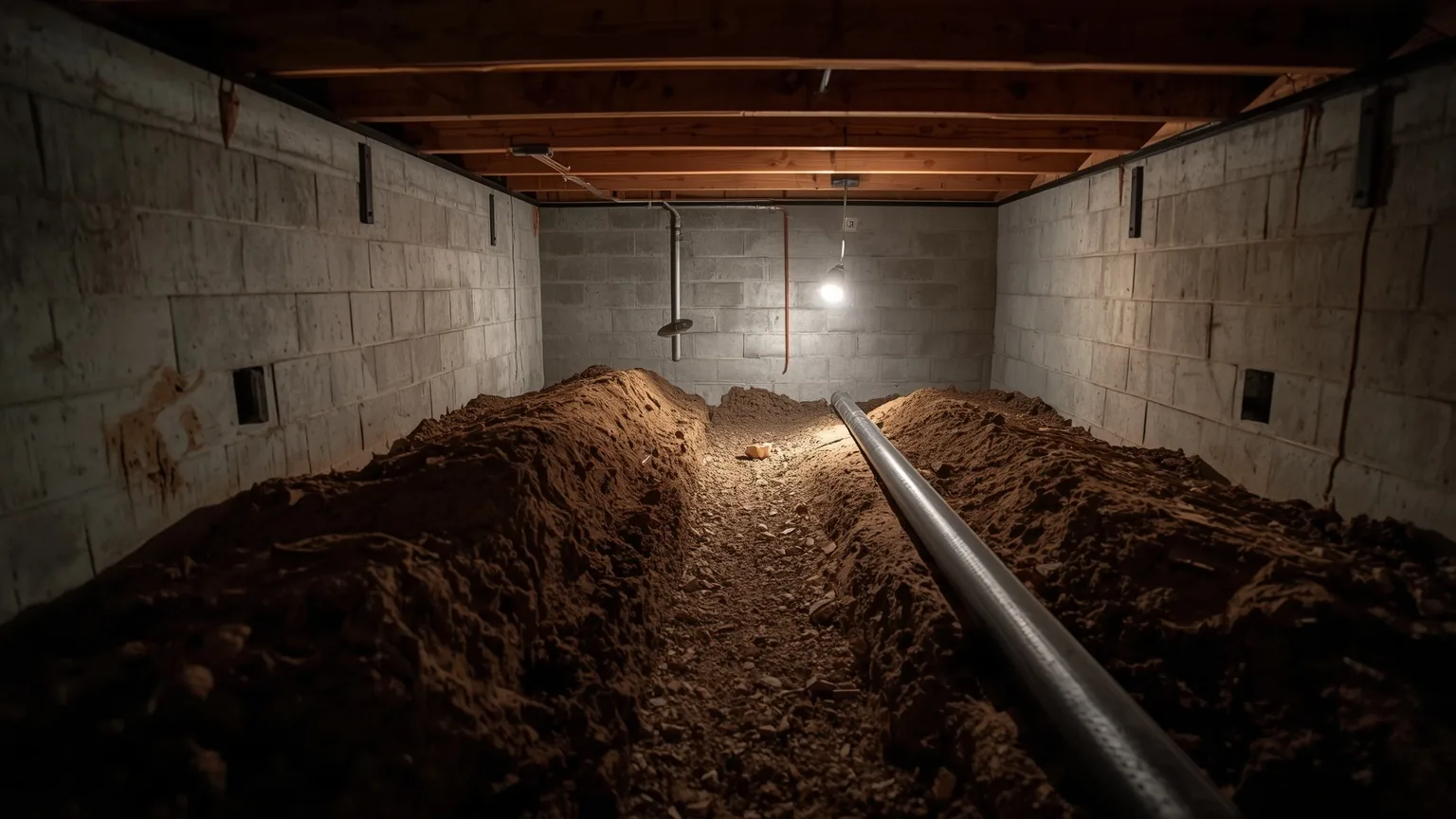
Crawl Space Drainage
Giving water a route out — after the cheap surface causes are ruled out.
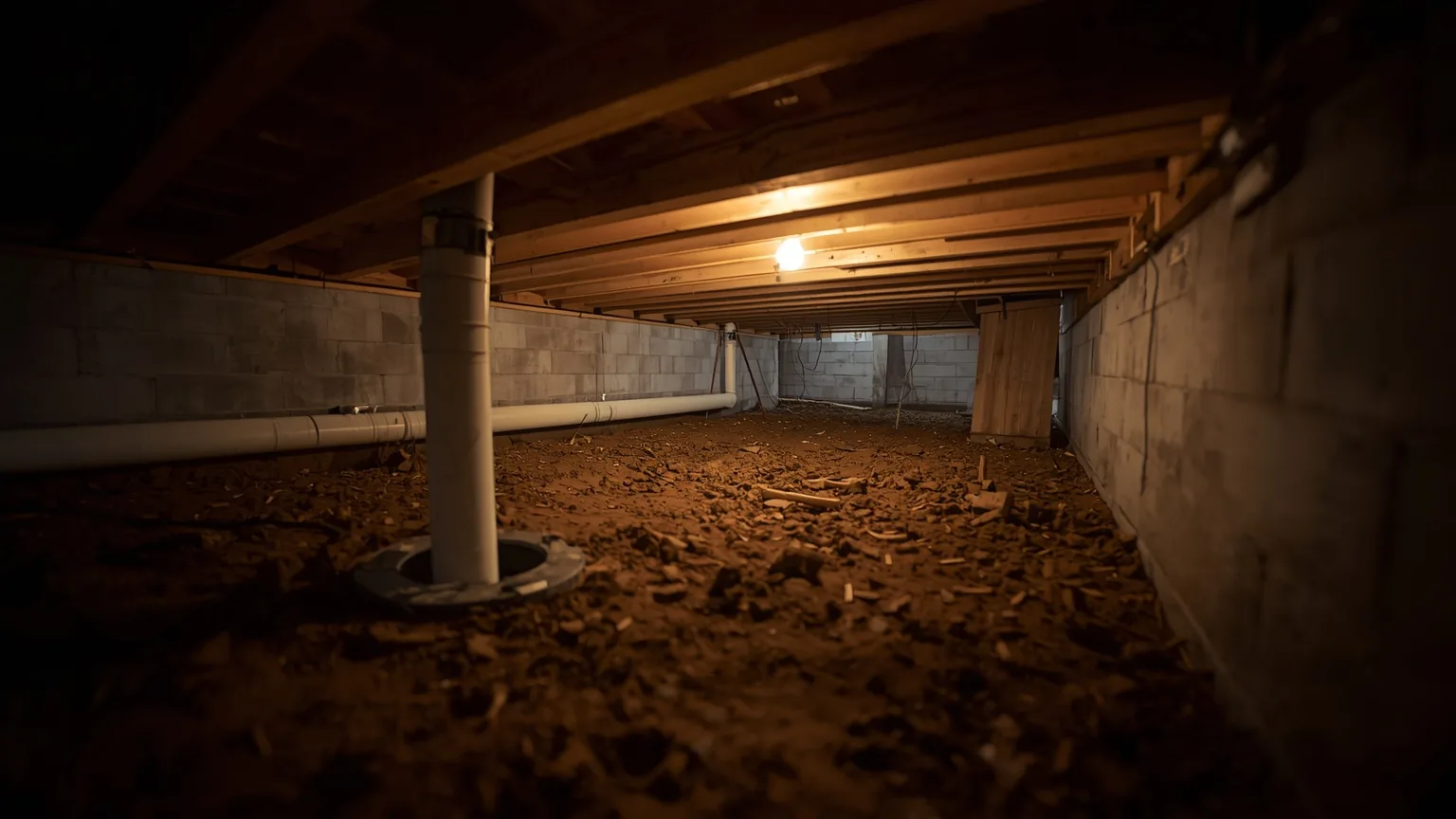
Crawl Space Sump Pumps
The exit point for collected water — basin, discharge, and what backup really buys.
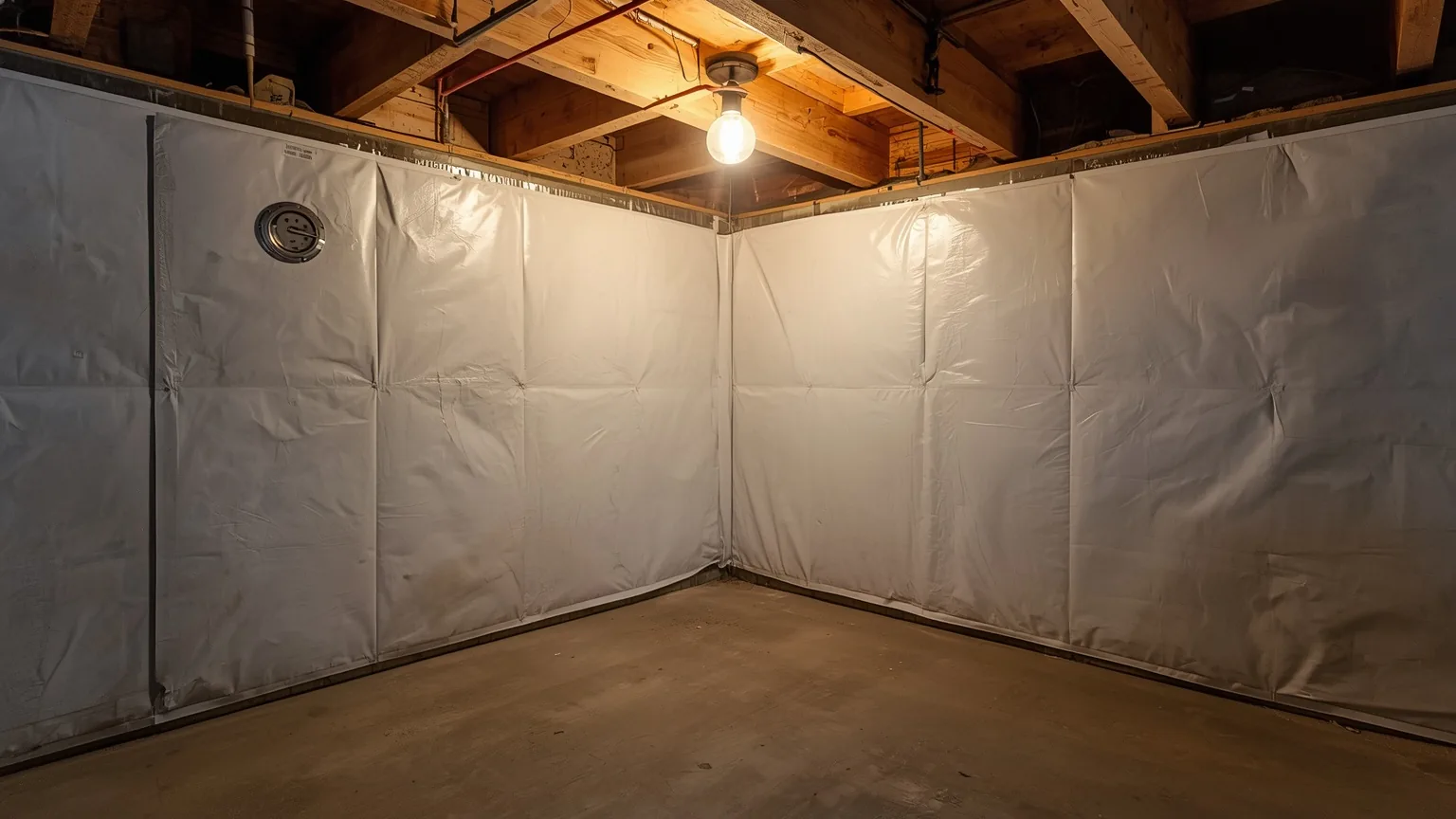
Crawl Space Encapsulation
Sealing the space off from ground and outside air, then controlling what remains.
Crawl Space Moisture Control
Working out which source is driving the moisture, then matching the fix to it.
Find out what is actually causing it.
An inspection underneath, readings taken on site, and a written scope ahead of any figure.