
How Much Does Crawl Space Encapsulation Cost in Greensboro?
Two encapsulation estimates on the same Greensboro house can differ by a multiple and both be honest, because the word covers very different scopes. North Carolina at least gives you a published standard to measure them against.
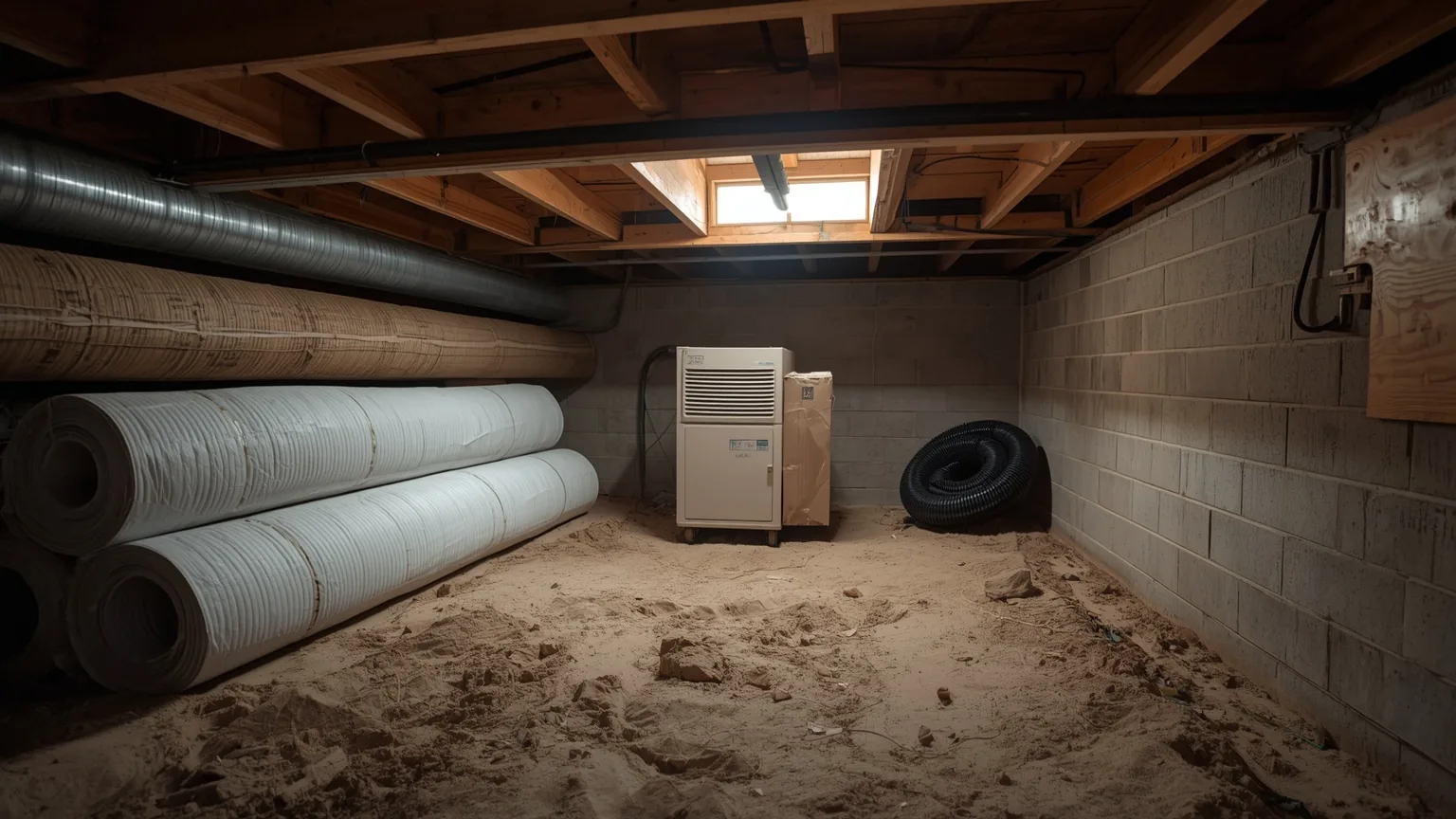
What affects crawl space encapsulation cost in Greensboro?
Greensboro Crawl Space Solutions does not publish a price, because a crawl space cannot be priced before it has been seen. What sets the figure is square footage and clearance, whether drainage is needed first, the liner specification, the drying method, insulation removal and any structural repair. In North Carolina each of those can be checked against code R409. Call (336) 827-3637 to arrange an evaluation.
Why no honest contractor quotes this over the phone
Encapsulation is a sequence of steps, and which steps your house needs cannot be established without someone getting underneath it and taking readings. A firm number offered before that is either a liner-only price or a figure that will be revised once the space is seen.
That is worth knowing before you collect estimates, because it reframes what you are comparing. You are not comparing prices for a known job. You are comparing descriptions of different jobs.
The factors that actually move the number
Nine things set the figure. Each is observable on site, and each should appear as its own line.
- Square footage. The largest single driver. Liner, labor and sealing all scale with the area of the floor.
- Clearance and access. A space with 18 inches of headroom and a small exterior hatch takes far longer to work in than one a person can move through. Every material and every bag of debris passes through that opening by hand.
- Standing water and drainage. If liquid water enters, drainage goes in before the liner. On soils that shed water laterally rather than downward this is common enough to be the entire difference between two estimates.
- Liner specification and coverage. 6-mil is the code minimum over exposed earth with joints lapped 12 inches. Heavier reinforced liner, and carrying it up the walls to a fastened termination, is more material and more labor.
- The drying method. A sealed crawl space needs a mechanical means of drying. A dehumidifier, a conditioned supply, and an exhaust approach are different equipment at different installed costs.
- Insulation removal. Wet or fallen insulation has to come out and be disposed of before new work begins — labor plus haul-away, and a frequent omission from a low estimate.
- Structural repair found on inspection. Joists, girders or supports affected by long-term moisture are repaired before sealing. This is the item most likely to move a project into a different bracket.
- Sealing vents, rim joists and penetrations. Invisible once finished, which is exactly where an incomplete scope hides.
- Permit and inspection. Converting a vented crawl space to a closed one is permitted work, because the mechanical drying R409.5 requires involves electrical or HVAC changes. An estimate that assumes no permit has probably mispriced the job.
How much for a 1,000 or 2,000 square foot crawl space?
This is the question people arrive with, and the honest answer is that square footage alone does not determine it. A 2,000 square foot crawl space with good clearance, dry ground and sound framing can cost less than a 1,000 square foot space with 18 inches of headroom, standing water and a girder that needs replacing.
Square footage sets the material quantity. Access, water and condition set the labor — and labor is usually the larger share. Anyone quoting a price per square foot before seeing the space is pricing the easy half and guessing the hard half.
Is encapsulation worth the money?
It is worth it where there is a problem it actually solves: persistent humidity, framing reading wet, growth on joists or subfloor, odor reaching the rooms above. In those cases the alternative is continued deterioration of the structure, which is not a cheaper option.
It is not worth it in a genuinely dry crawl space with framing in a normal moisture range. That space may need a vapor barrier and nothing else. Be wary of anyone who reaches the encapsulation recommendation without having measured anything.
What the code floor does to the price spread here
In most states, comparing encapsulation estimates means comparing sales language, because nothing defines what the word must include. North Carolina writes closed crawl spaces into residential code, which sets a floor: a 6-mil minimum vapor retarder over exposed earth with joints lapped 12 inches, a floor graded to drain with a drain to daylight or sump at each low spot, and drains kept separate from gutter and perimeter drains.
That does not fix the price, but it changes the question. An estimate that omits a mechanical means of drying is not a cheaper version of the same job — it is a job that does not meet the section an inspector will apply. Knowing that turns a confusing spread of numbers into something you can actually assess.
Crawl Space Encapsulation Cost questions
How much does it cost to encapsulate a 1,000 sq ft crawl space?
Square footage sets material quantity but not the total. Clearance, whether drainage is needed first, the state of existing insulation and any structural repair usually matter more, and those are only visible on site. A per-square-foot figure quoted sight unseen prices the predictable half and guesses the rest.
How much does it cost to encapsulate a 2,000 sq ft crawl space?
Larger area means more liner and more labor, but a large accessible dry crawl space can cost less than a small wet one with 18 inches of clearance. The number turns on access, water and condition at least as much as on area.
Why do encapsulation estimates differ so much?
Usually scope rather than margin. Liner spec, whether drainage sits inside the price, whether old insulation is stripped and hauled, which drying method is fitted and whether the permit is costed — all of it varies. An itemized estimate is the only way to see which difference you are being charged for.
Do I need a dehumidifier with encapsulation?
A closed crawl space needs a mechanical means of drying, and a dehumidifier is the usual choice. Sealing removes the exchange with outside air, so the humidity that remains has to be actively removed rather than ventilated away.
Should standing water be fixed before encapsulation?
Yes, always. Encapsulation manages vapor, not liquid water. Sealing over an active water source traps it beneath the liner where it continues unseen. Drainage is installed first, and an estimate that omits it on a wet crawl space has quoted the wrong job.
Related crawl space services
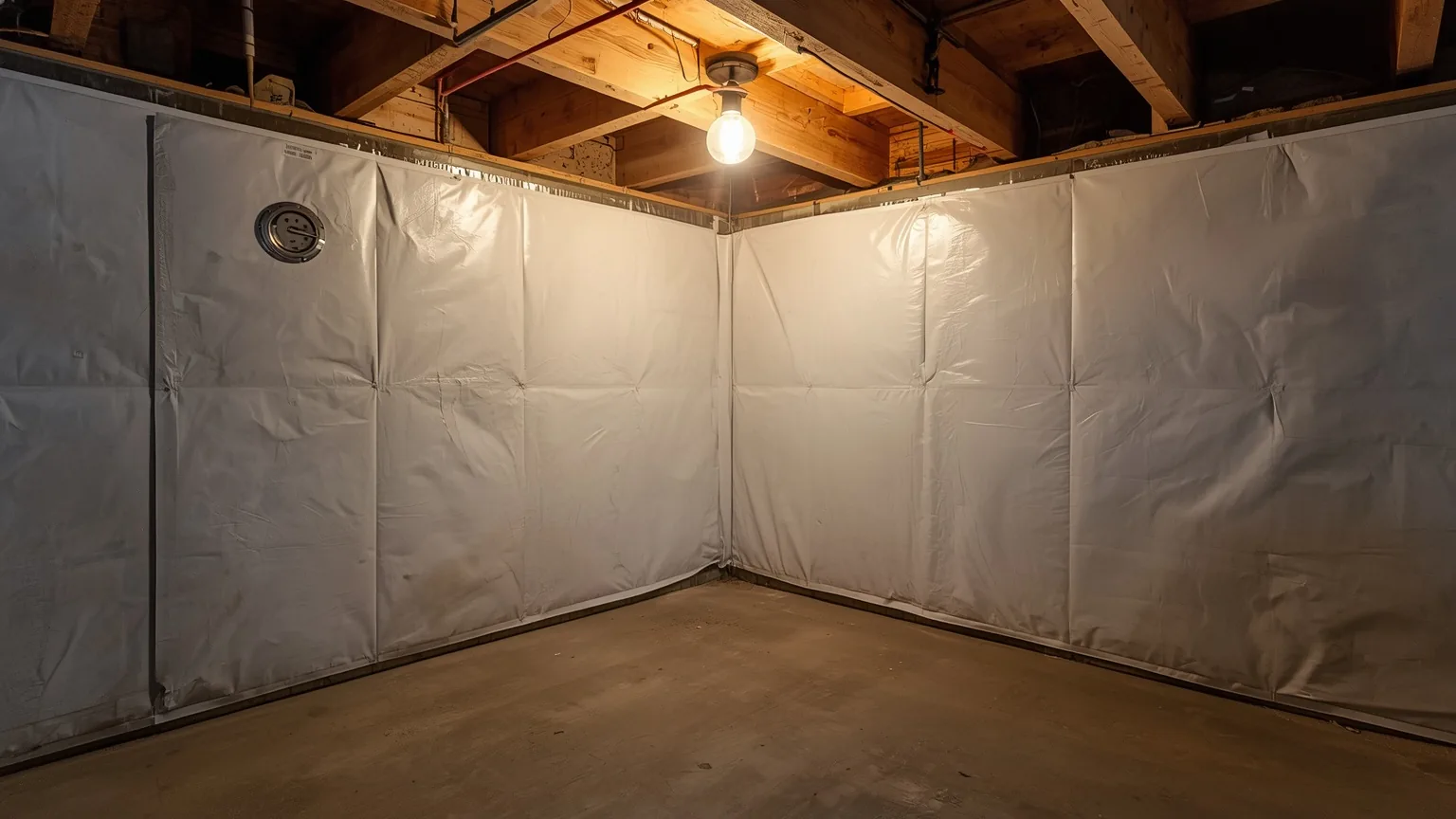
Crawl Space Encapsulation
Sealing the space off from ground and outside air, then controlling what remains.
Crawl Space Repair Cost
Why repair pricing varies so widely, and what to ask for in writing.
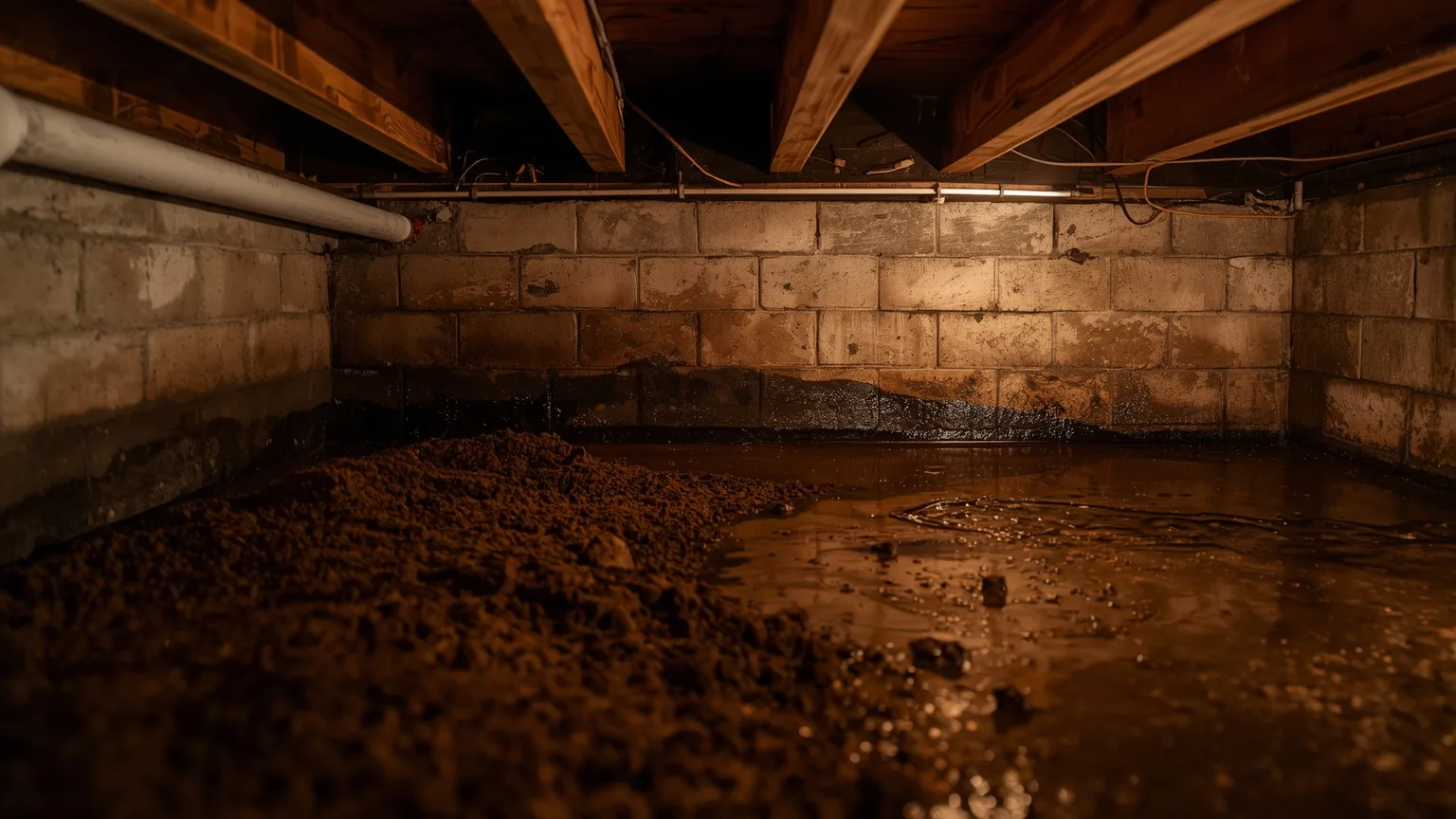
Crawl Space Waterproofing
Stopping liquid water at the perimeter, and routing out whatever still gets in.
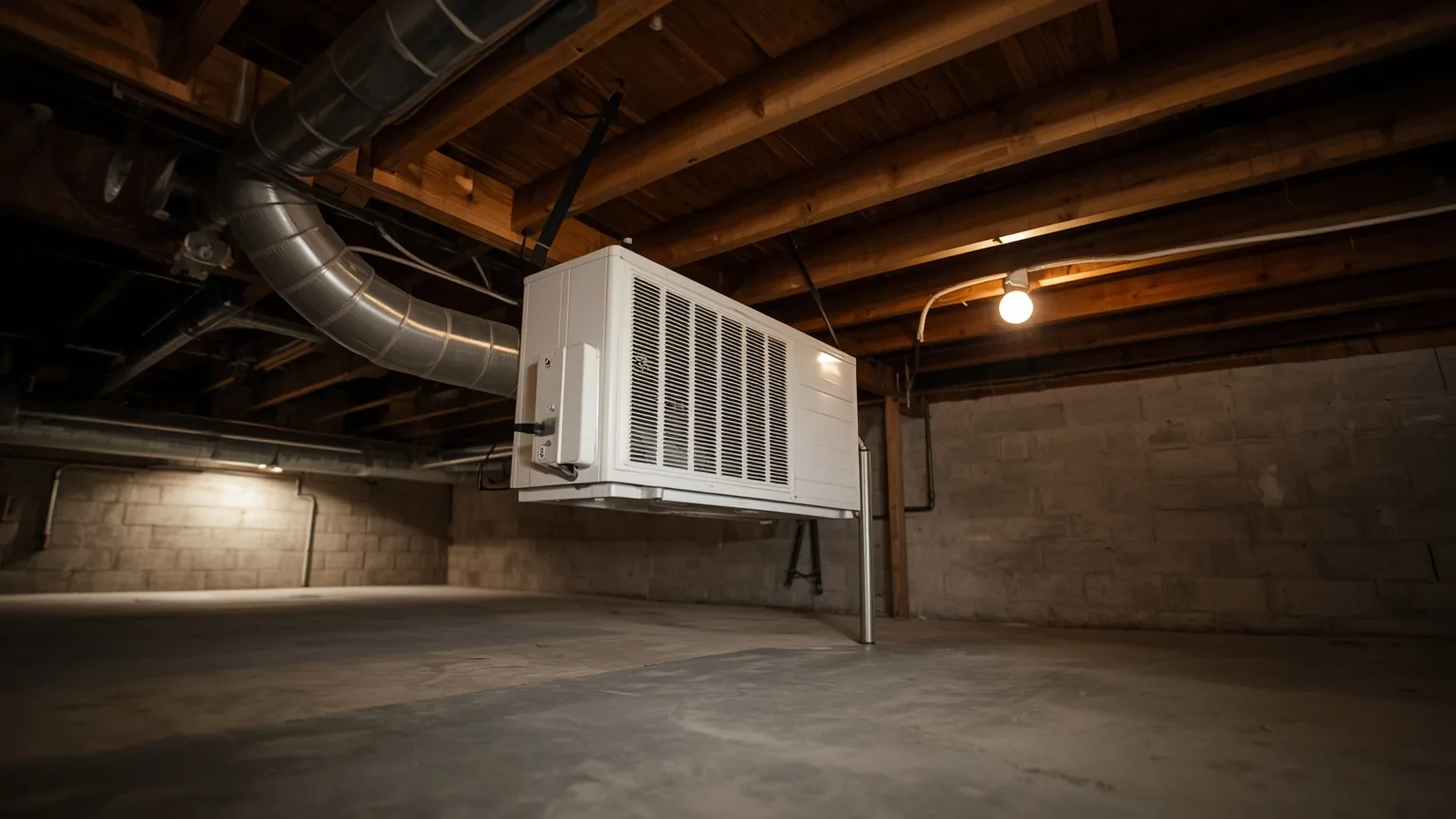
Crawl Space Dehumidifiers
Mechanical drying for a sealed space — sized, drained and on its own circuit.
Find out what is actually causing it.
An inspection underneath, readings taken on site, and a written scope ahead of any figure.