
Crawl Space Encapsulation in Greensboro, NC
Encapsulation closes the crawl space off from the ground and the outside air, then manages the humidity of whatever is left inside. It is not a liner on the dirt, and in North Carolina the difference is written into code.
Who handles crawl space encapsulation in Greensboro, NC?
Greensboro Crawl Space Solutions arranges crawl space encapsulation across Greensboro and Guilford County — a sealed liner over the ground and up the walls, sealed vents and rim joists, drainage first wherever liquid water is present, and a mechanical means of drying. North Carolina writes the specification into Residential Code R409, so a proposal here can be measured against a published standard. Call (336) 827-3637 to arrange an evaluation.
What encapsulation actually involves
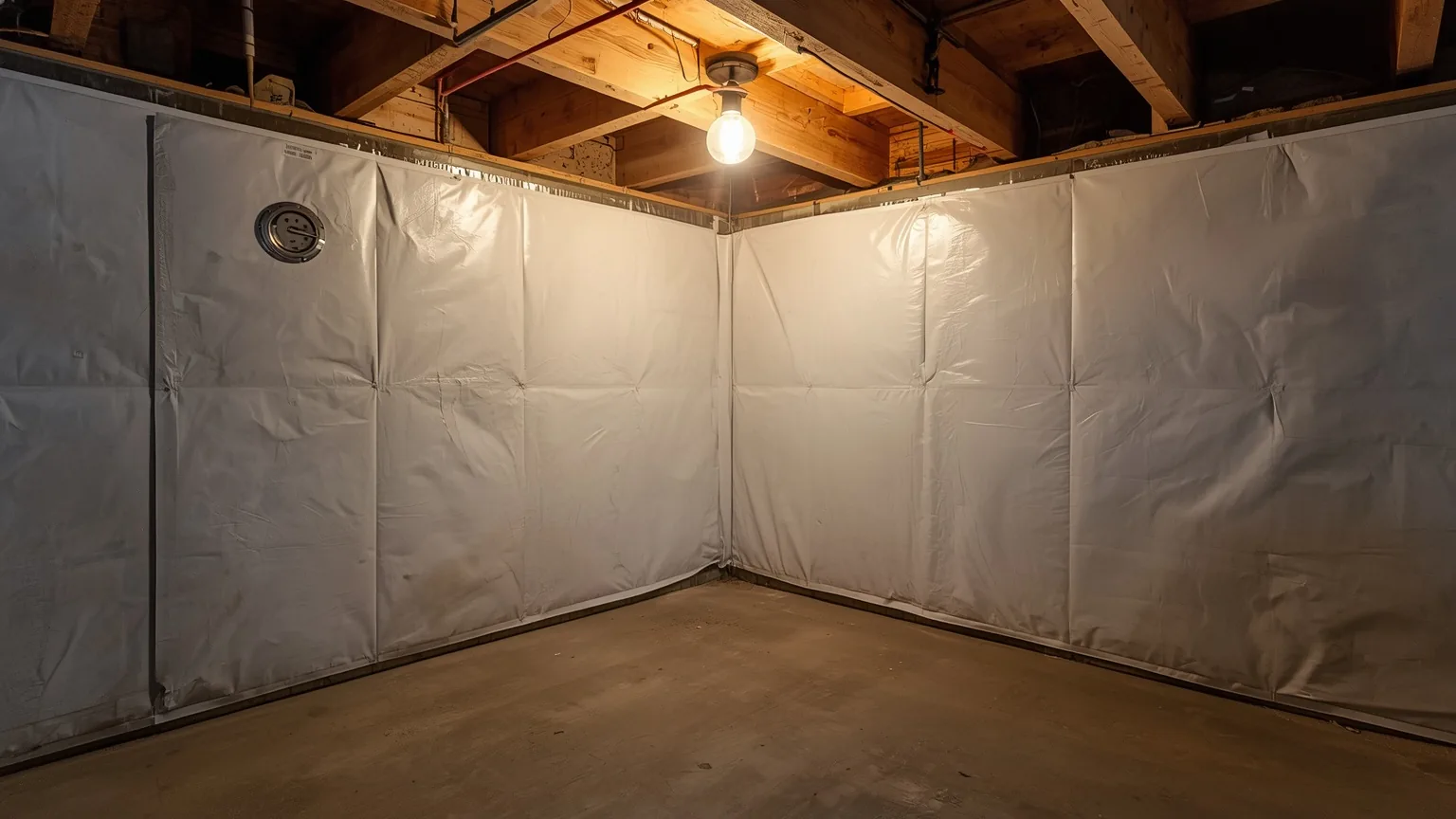
A complete encapsulation is a sequence, not a product. Any standing water is dealt with first. A heavy liner then covers the exposed ground and is carried up the foundation walls and fastened. Vents are closed and sealed, the rim joist is air-sealed, and every penetration through the liner is detailed. Finally the humidity of the now-sealed space is actively managed.
Leave out any one of those and the rest underperforms. Seal a space that still takes on water and the liner hides the water. Seal it and leave the humidity unmanaged and you have made an enclosed box in a climate that supplies moisture for five months of the year.
What NC code requires, and why that helps you
Most states leave encapsulation undefined, so the word can honestly describe very different work. North Carolina is unusual: closed crawl spaces have their own code section.
That gives a homeowner something rare — a published yardstick. You can ask which parts of R409 a proposal meets and get a factual answer, rather than comparing one company's brochure against another's.
- A 6-mil minimum vapor retarder. R409.2.1 sets a minimum 6-mil polyethylene vapor retarder or equivalent, installed to nominally cover all exposed earth, with joints lapped not less than 12 inches.
- A graded floor that drains. The same section requires the floor to be graded so it drains to one or more low spots, with a drain to daylight or a sump pump at each low spot.
- Drains kept separate. Crawl space drains must be kept separate from roof gutter drain systems and from foundation perimeter drains.
- A permit. Converting a vented crawl space to a closed one is permitted work under NC OSFM interpretation 106.1. Residential work costing $40,000 or less is normally exempt, but a permit is required regardless of cost once HVAC or electrical work is involved — and every mechanical drying option R409.5 accepts involves exactly that. Confirm current requirements with the local inspections office before work begins.
When encapsulation is the right call, and when it is not
It earns its cost where humidity is persistently high, where framing is reading wet, where growth has appeared on joists or subfloor, or where odor from below is reaching the rooms above.
It is the wrong first move where liquid water is entering. That is a waterproofing problem, usually resolved with drainage, and it is solved before anything is sealed. And a genuinely dry crawl space with framing in a normal moisture range may need nothing more than a vapor barrier over the ground.
What a proper evaluation produces
Someone gets under the house. Moisture readings are taken in the framing in more than one place, not just in the air. Where water is entering is established rather than assumed. The result is a written, itemized scope you can hold a contractor to.
If nobody measured anything, what you have is an opinion with a price on it. Ask for the readings and where they were taken.
What encapsulation does not do
It does not repair framing that has already been damaged — it removes the cause so that repairs last. Where joists or girders have deteriorated, structural repair happens before the space is closed up.
It also does not eliminate the need to look. A sealed space is out of sight, so an annual check and a humidistat you can actually read are what keep a small new problem from becoming an invisible old one.
The soil under Greensboro was described from Greensboro
Most crawl space pages talk about Piedmont clay in general terms. Here it can be more specific than that. The USDA's type location for the Enon soil series — the reference site from which the series is formally described — is in Guilford County, one mile southwest of Greensboro.
Enon soils form in residuum weathered from mafic and intermediate rock such as diorite, gabbro, diabase and hornblende gneiss, and the USDA classes their saturated hydraulic conductivity as moderately low. In plain terms: water does not move down through this material quickly. Depth to bedrock is greater than 60 inches, so a crawl space here typically sits over deep weathered material rather than rock, and how that material handles water is what governs the space above it.
Crawl Space Encapsulation questions
How long does crawl space encapsulation take?
Most residential crawl spaces are finished within a few days once work begins. Spaces needing drainage installed, old insulation removed, or structural repair first take longer, because those steps have to be complete before the liner goes down.
Does encapsulation require a permit in Greensboro?
Converting a vented crawl space to a closed one is permitted work in North Carolina, per NC OSFM interpretation 106.1. Permitting and inspection for work in and around the city run through the City of Greensboro and Guilford County, with surrounding counties handling their own.
Will encapsulation fix standing water?
No. Encapsulation manages water vapor and humidity; it does nothing about liquid water. A liner installed over an active water source seals the water underneath it, where it carries on out of sight. Drainage comes first.
Do I need a dehumidifier as well?
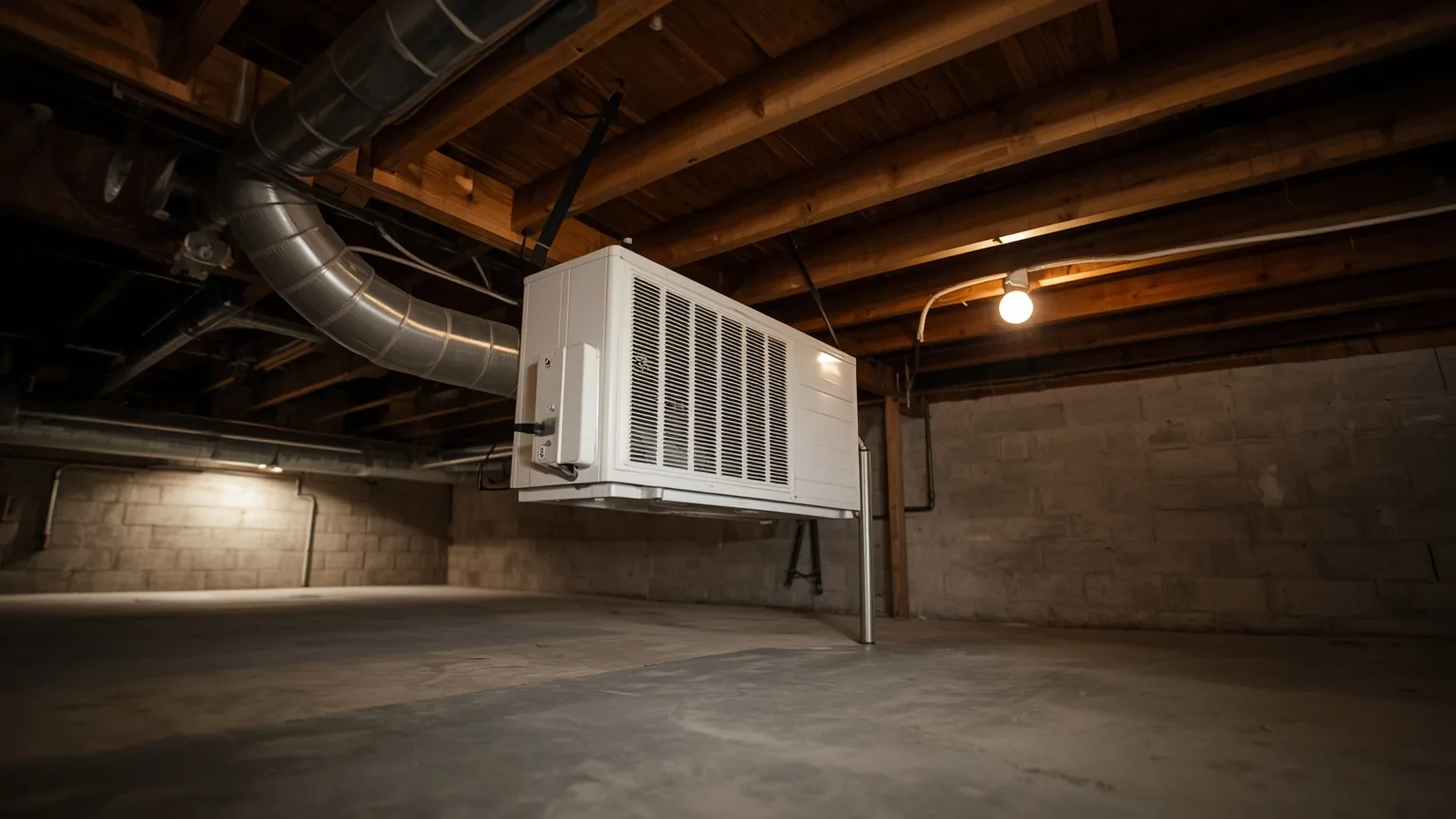
A sealed crawl space needs a mechanical means of drying, and a dehumidifier is the common choice. Sealing removes the space's air exchange with outdoors, so the remaining humidity has to be actively removed rather than left to ventilation.
What thickness liner does NC code require?
R409.2.1 sets a minimum of 6-mil polyethylene or equivalent over all exposed earth, with joints lapped at least 12 inches. Heavier reinforced liners are common in practice, but 6-mil is the published floor.
Related crawl space services
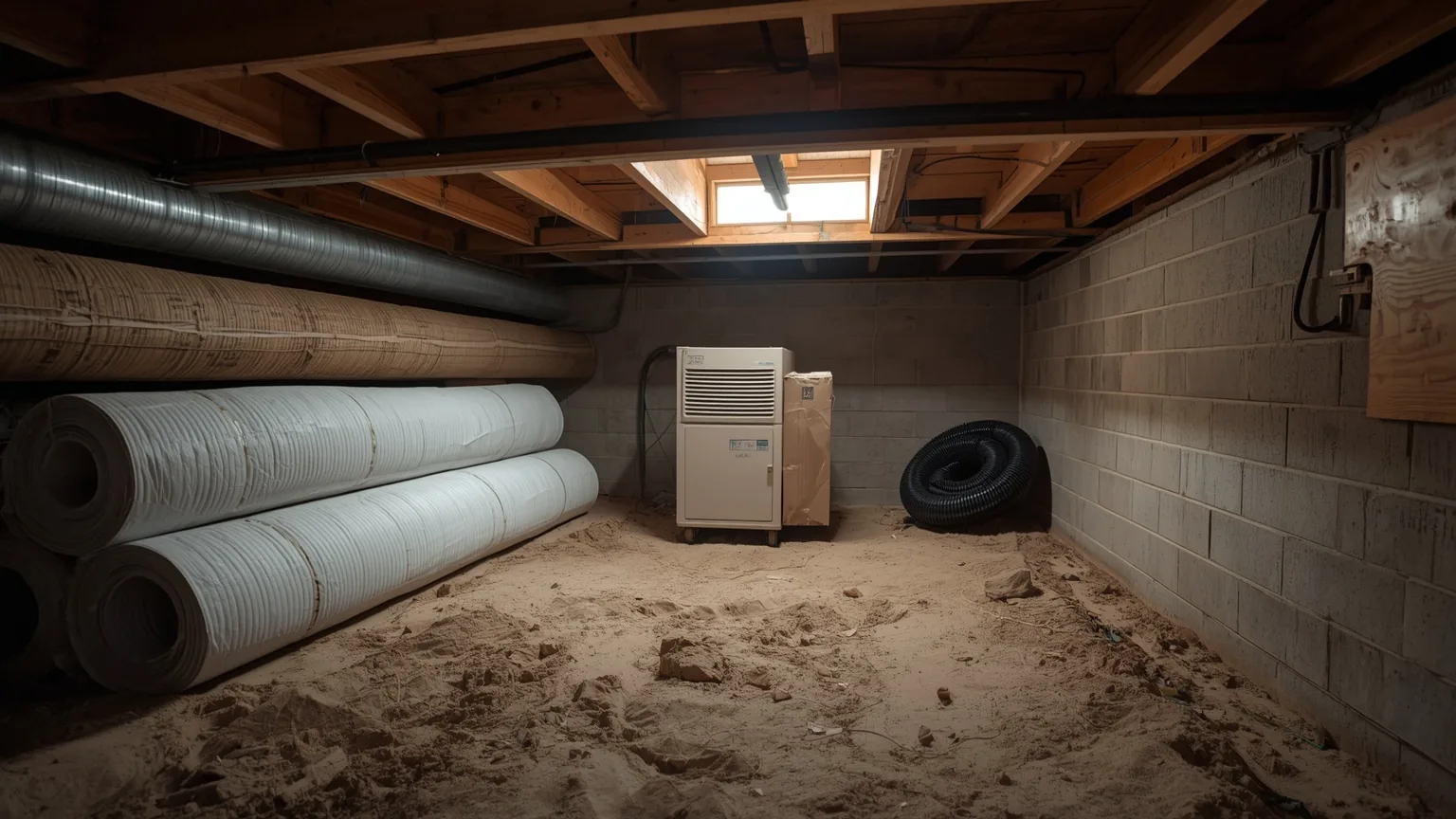
Crawl Space Encapsulation Cost
What moves the number — and how to compare two estimates properly.
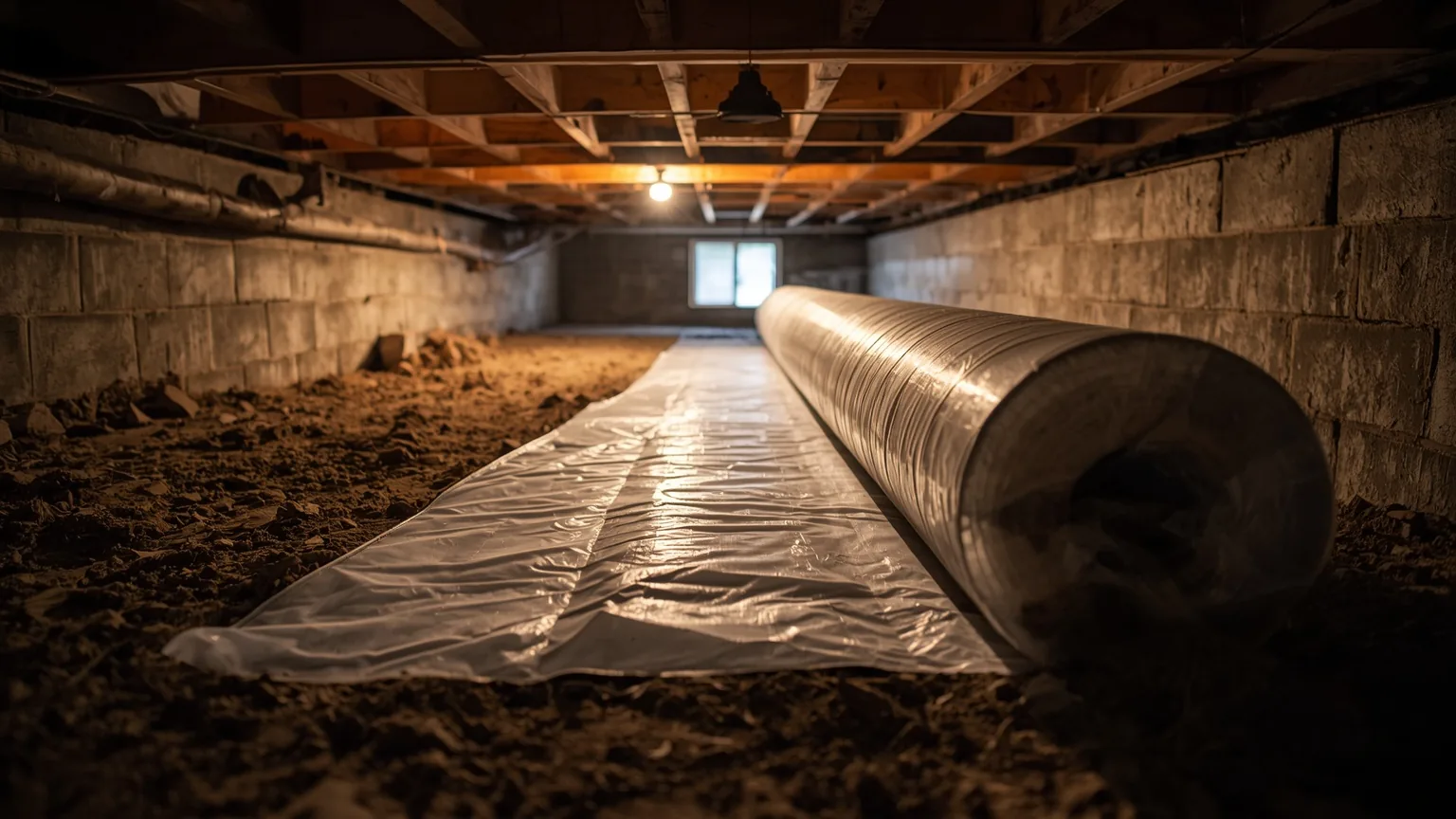
Vapor Barrier Installation
Ground cover against soil moisture, and the point where it stops being sufficient on its own.
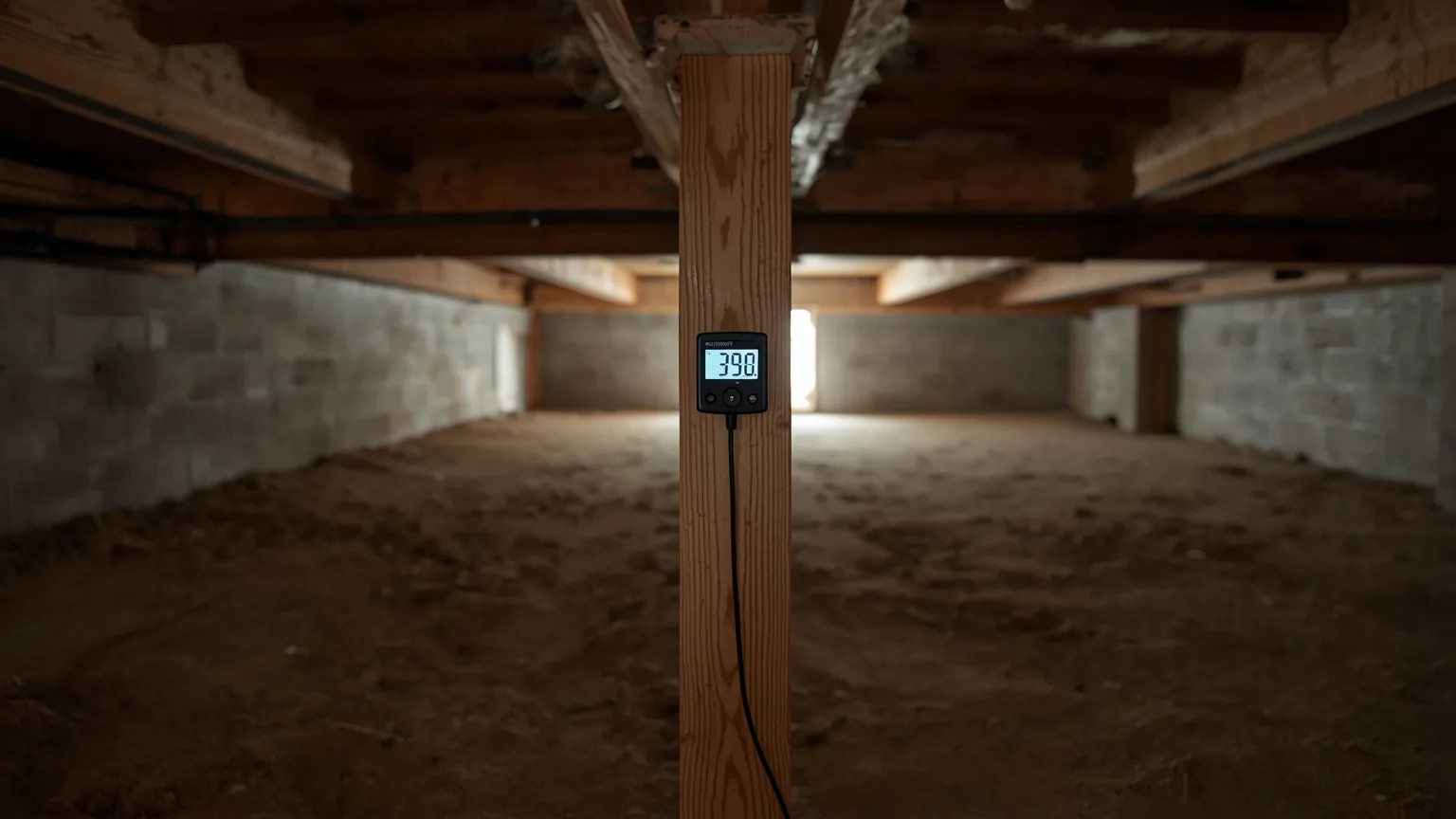
Crawl Space Moisture Control
Working out which source is driving the moisture, then matching the fix to it.
Crawl Space Dehumidifiers
Mechanical drying for a sealed space — sized, drained and on its own circuit.
Find out what is actually causing it.
An inspection underneath, readings taken on site, and a written scope ahead of any figure.