
Crawl Space Drainage in Greensboro, NC
Drainage gives water a route out. Before anyone cuts a trench, the cheaper question is whether the water needed to arrive at all.
Who handles crawl space drainage in Greensboro, NC?
Greensboro Crawl Space Solutions arranges crawl space drainage across Greensboro and the surrounding counties. Drainage handles liquid water — collecting what enters and routing it out. Surface causes such as gutters, downspouts and grading are ruled out first, because they are far cheaper to correct and account for a large share of wet crawl spaces. Call (336) 827-3637 to arrange an evaluation.
The outside gets checked first
Gutters discharging at the foundation, downspouts ending at the wall, and grading that has settled back toward the house are common, cheap to correct, and responsible for a great many wet crawl spaces.
An evaluation that proposes an interior system without anyone having walked the outside of the house has skipped the step that might have solved the problem for a fraction of the cost. Ask what was found out there.
What interior drainage is, when it is warranted
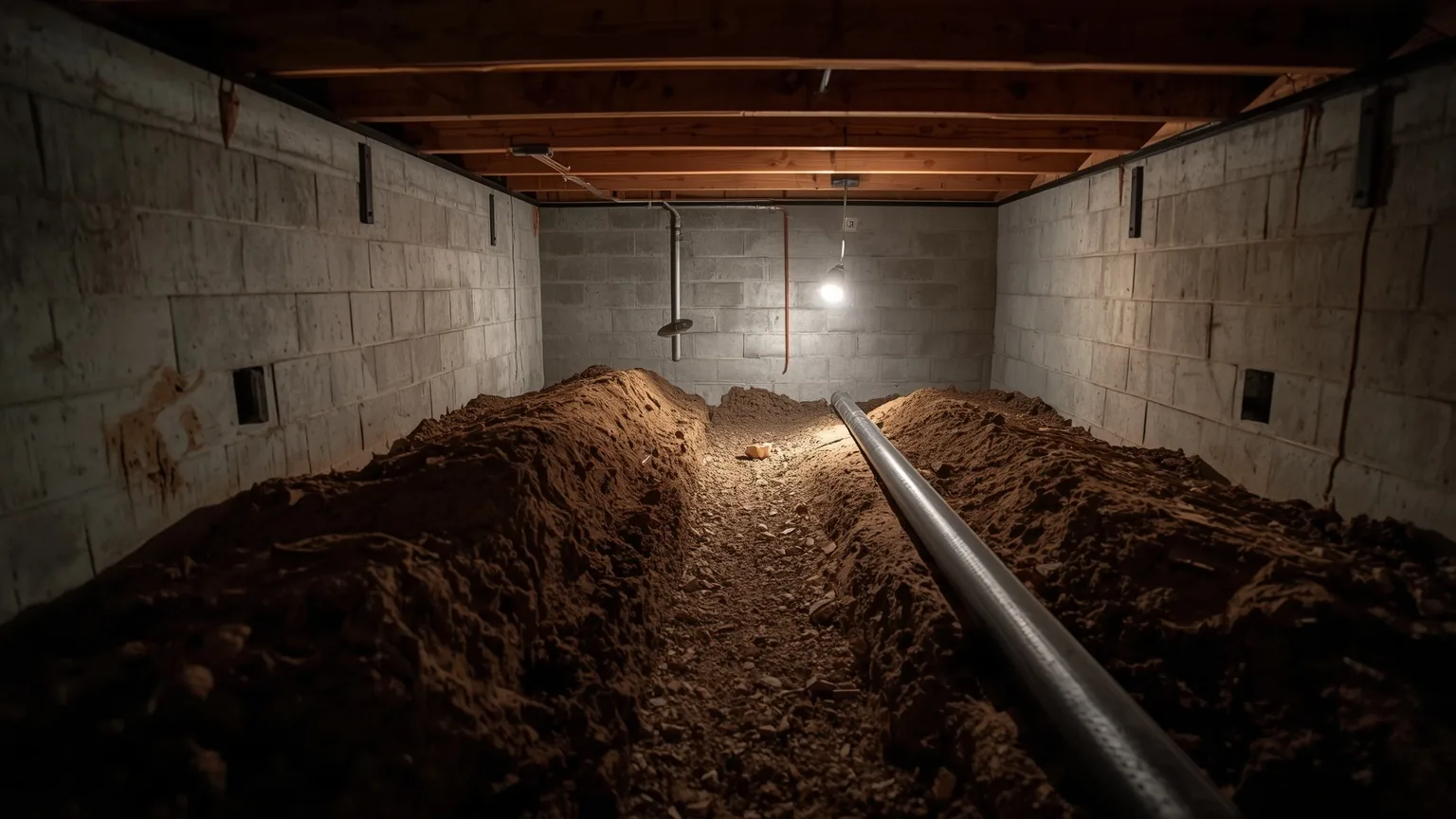
Where water genuinely arrives through the ground, the work is a channel cut at the perimeter of the crawl space floor, bedded in washed stone, carrying a perforated pipe to a collection point. From there a sump pump lifts it out and discharges it clear of the foundation.
This is excavation under an occupied structure, close to footings and often close to services. It is not homeowner work and this page deliberately does not describe how to do it.
What NC code requires of the system
R409 is specific. The crawl space floor must be graded so that it drains to one or more low spots, and a drain to daylight or a sump pump must be installed at each low spot.
It also requires crawl space drains to be kept separate from roof gutter drain systems and from foundation perimeter drains. That is a real requirement rather than a preference — a system that ties them together does not meet the section, and it also means a roof downpour can push water toward the very space you are trying to keep dry.
Where drainage sits relative to everything else
Drainage handles liquid water. Waterproofing is the wider effort to stop water reaching the space, of which drainage is one part. Encapsulation handles vapor and humidity and does nothing about liquid water at all.
Water first, then any framing the water damaged, then sealing and humidity. Sealing over an unresolved water source is the most expensive sequence error in this trade.
Slow-draining ground and 45 inches of rain
The soils here weather from mafic and intermediate rock, and the USDA classes the saturated hydraulic conductivity of the Enon series — described from a type location one mile southwest of Greensboro — as moderately low. Water arriving faster than the ground can absorb it moves laterally instead, following construction fill lines and footings.
With roughly 45 inches of rain in an average year and terrain ranging from about 700 feet along the lower drainages to over 1,000 feet on the ridges, where a particular house sits in that pattern matters a great deal. It is why drainage design starts with finding the actual entry point rather than assuming the low corner of the lot is the answer.
Crawl Space Drainage questions
Do I need interior drainage or just better gutters?
Timing points to the answer. Water appearing within an hour or two of rain and receding soon after is usually surface runoff, which gutters, downspouts and grading can fix cheaply. Water appearing a day or more later, or with no storm at all, points to groundwater and to interior drainage.
Can crawl space drains connect to my gutter drains?
Not under North Carolina's closed crawl space section, which requires crawl space drains to be kept separate from roof gutter drain systems and from foundation perimeter drains. Combining them also risks pushing roof water toward the space you are drying.
Does every crawl space need drainage?
No. Drainage addresses liquid water. A crawl space that is damp and humid but never takes on water has a vapor or air problem, and drainage would not change it.
Can I dig a drainage trench myself?
Surface work such as extending downspouts and correcting grading is reasonable homeowner work. Interior drainage is excavation under an occupied structure near footings and services, and is not.
How long does drainage work take?
It depends on the perimeter length, access and what has to be moved to reach the walls. It is normally completed before any liner work begins, since the liner cannot go down over an active water source.
Related crawl space services
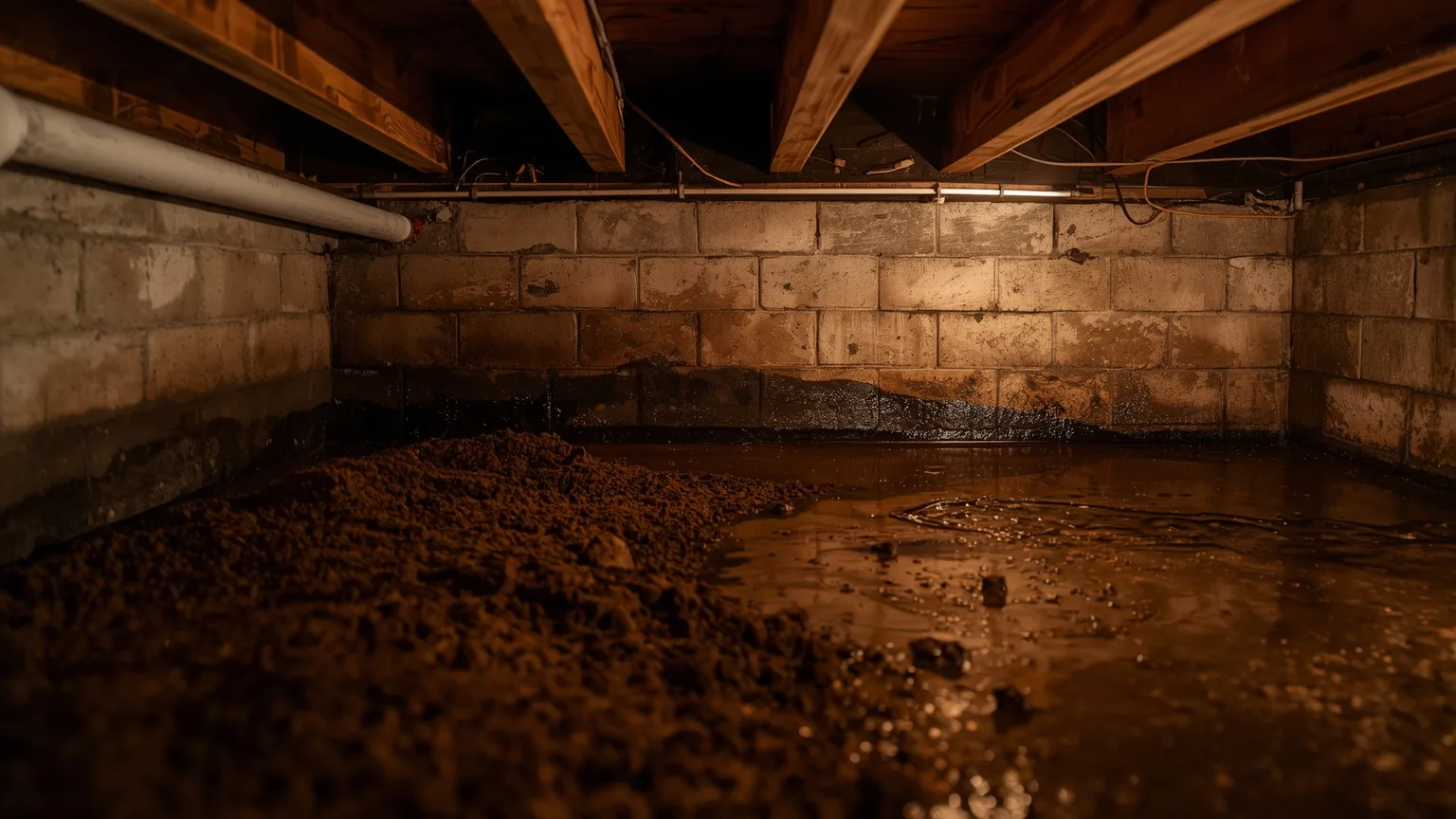
Crawl Space Waterproofing
Stopping liquid water at the perimeter, and routing out whatever still gets in.
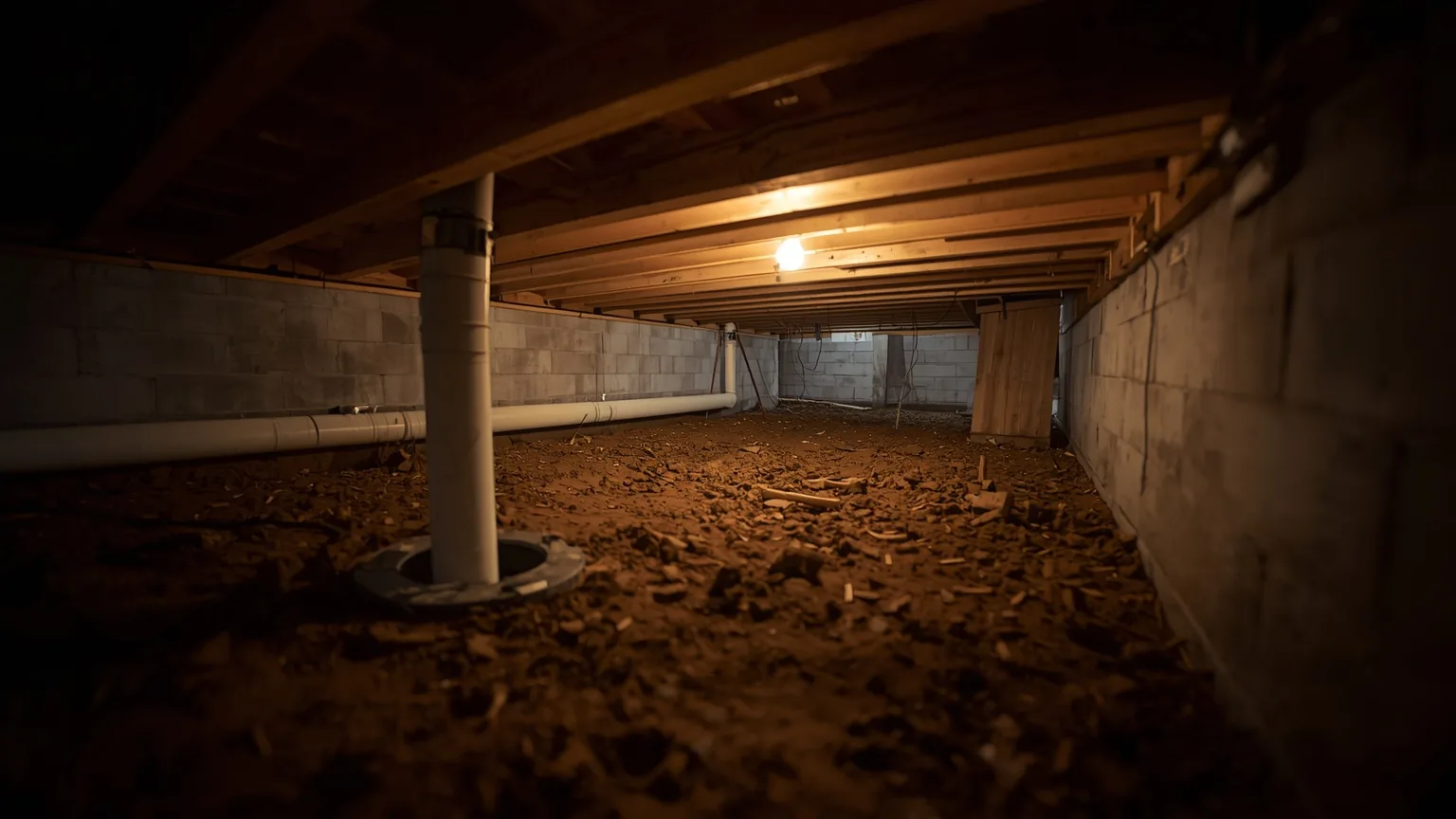
Crawl Space Sump Pumps
The exit point for collected water — basin, discharge, and what backup really buys.
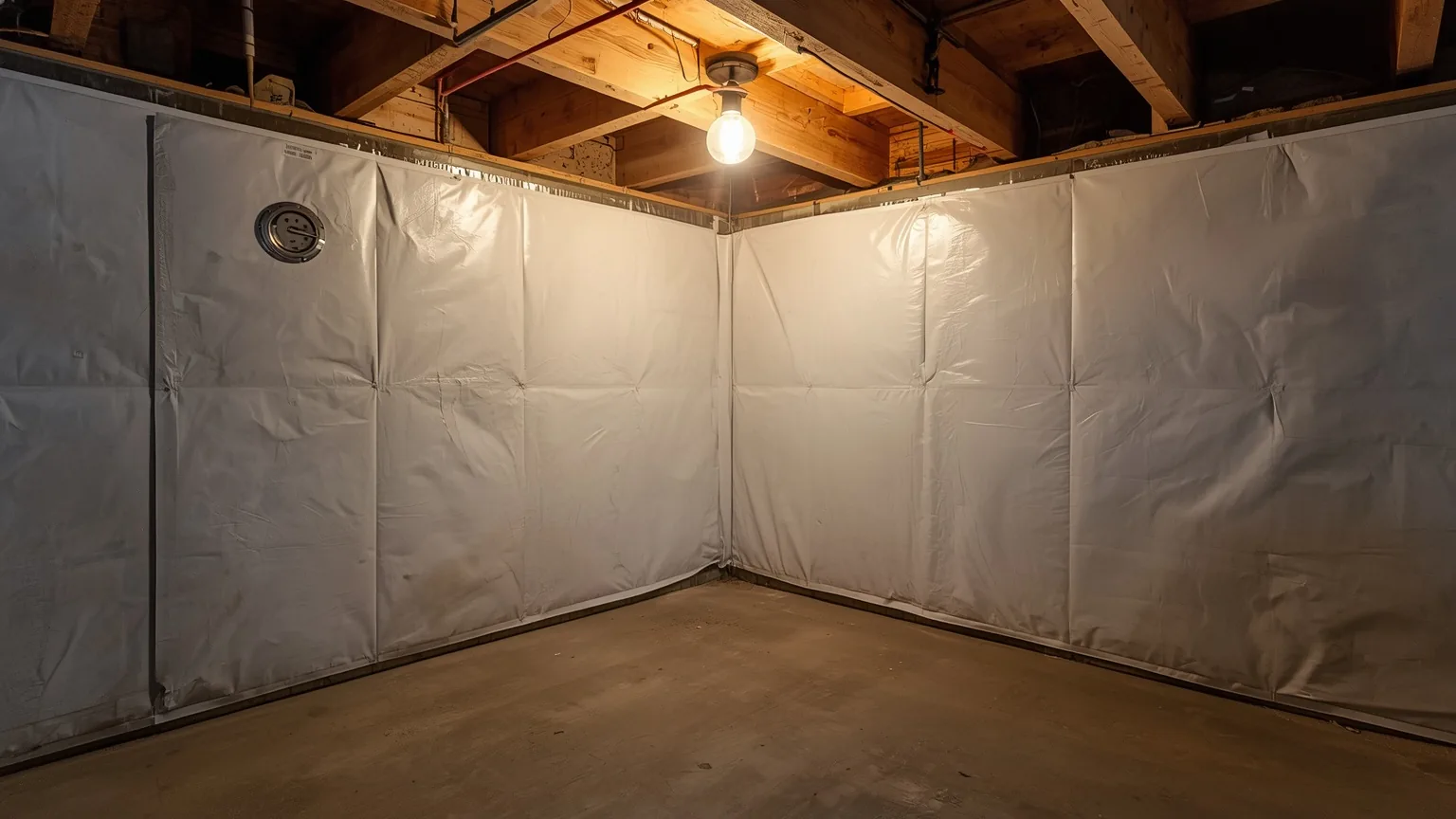
Crawl Space Encapsulation
Sealing the space off from ground and outside air, then controlling what remains.
Find out what is actually causing it.
An inspection underneath, readings taken on site, and a written scope ahead of any figure.